
Optimizing Your Website for Local Search and Nearby Customers
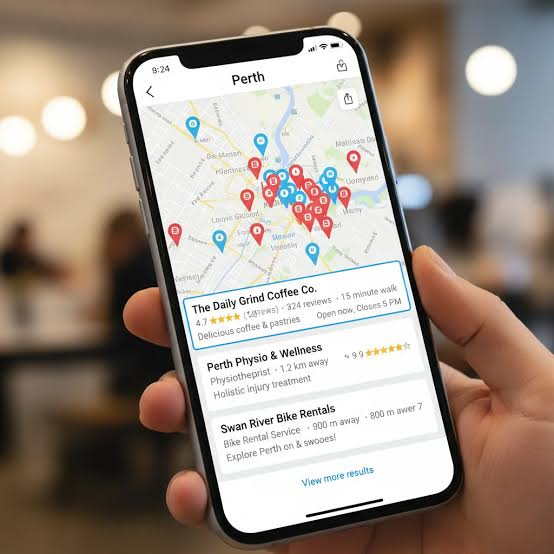
Optimizing Your Website for Local Search and Nearby Customers When someone searches for a business “near me,” will they find yours? Local search has become the primary way customers discover nearby businesses. If your website isn’t optimized for local search, you’re invisible to potential customers in your own neighborhood. At Proton Tech Lab, we build websites optimized to capture local customers. Let’s explore how to make your website work harder to attract nearby customers searching for what you offer. Why Local SEO Matters According to Google, 46% of all searches have local intent. People search for restaurants, plumbers, dentists, and countless other services in their area every day. These searchers have high purchase intent; they’re actively looking to buy. Local searches often convert quickly. Someone searching “pizza delivery near me” wants pizza now, not next week. Appearing in these searches puts you in front of customers ready to act. Claim and Optimize Google Business Profile Your Google Business Profile is the foundation of local SEO. This free listing appears in Google Maps and local search results. Claim your profile if you haven’t already, then optimize it completely. Fill out every field: business name, address, phone, hours, categories, services, and description. Add high-quality photos of your business, products, and team. Respond to reviews promptly. Keep information current, especially hours during holidays. Include Location Information Throughout Your Site Your website should clearly communicate where you’re located and what areas you serve. Include your full address in the footer of every page. Mention your city and region naturally throughout your content. Create location-specific pages if you serve multiple areas. A page for each neighborhood or city you serve helps you rank for searches in those specific locations. Include unique content about each area, not just duplicated text with different city names. Optimize Title Tags and Meta Descriptions Include your location in title tags and meta descriptions. Instead of “Professional Plumbing Services,” use “Professional Plumbing Services in Austin, TX.” This tells search engines and users exactly where you operate. Keep titles natural and useful. Stuffing multiple city names looks spammy and can hurt rankings. Focus on your primary service area while creating separate pages for additional locations. Build Local Citations Citations are mentions of your business name, address, and phone number on other websites. Directory listings, industry associations, local chambers of commerce, and review sites all create citations. Consistency matters enormously. Your business information should appear exactly the same everywhere. Different addresses, phone formats, or business names confuse search engines and weaken local rankings. Encourage and Manage Reviews Reviews significantly impact local search rankings and customer decisions. Encourage satisfied customers to leave reviews on Google and other relevant platforms. Make the process easy by sending follow-up emails with direct links. Respond to all reviews, positive and negative. Thank happy customers. Address complaints professionally and constructively. Active review management shows you care about customer experience. Add Schema Markup Schema markup is code that helps search engines understand your business information. Local business schema tells Google your address, hours, services, and more in a structured format it can easily process. Proper schema can enhance how your business appears in search results with rich snippets showing ratings, hours, and other useful information directly in search listings. Create Local Content Content that connects to your local area strengthens local relevance. Write about local events, community involvement, or location-specific tips related to your industry. This content attracts local links and signals geographic relevance. Mobile Optimization Is Essential Most local searches happen on mobile devices. People looking for nearby businesses are often on the go. Your website must load quickly and work perfectly on phones. Click-to-call buttons, easy-to-find addresses, and simple navigation matter for mobile local searchers. Get Found by Local Customers Local SEO helps nearby customers find your business exactly when they’re looking for what you offer. By optimizing your website and online presence for local search, you capture high-intent traffic from your own community. Need help with local SEO for your website? At Proton Tech Lab, we optimize websites to capture local customers. Contact us today to discuss your local search strategy. Let’s help your neighbors find you!