
The Importance of Regular Website Maintenance for Business Success
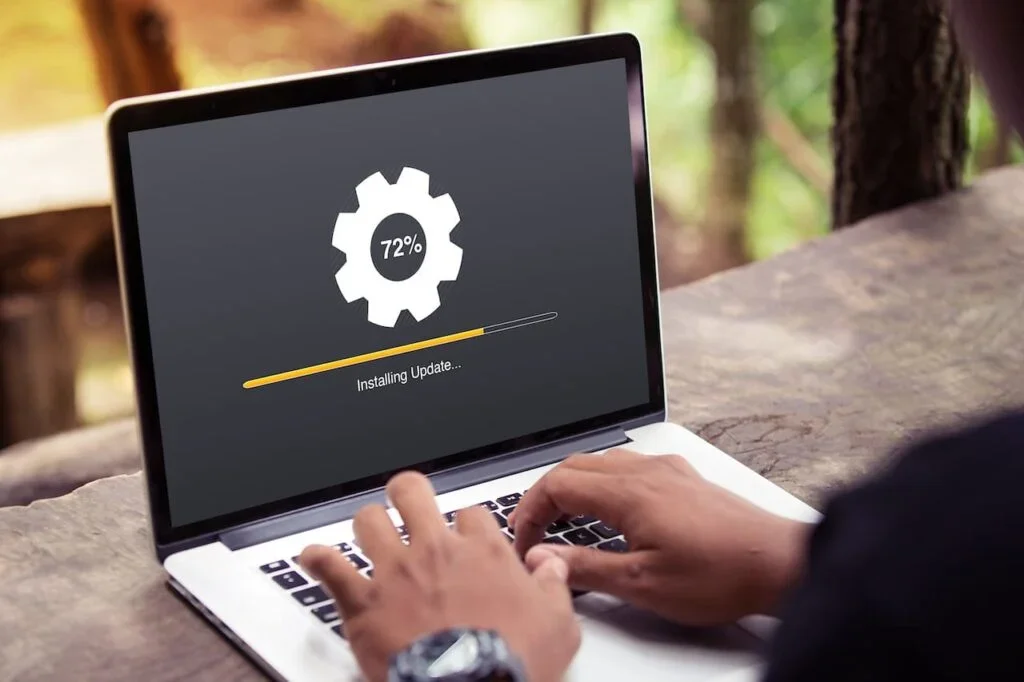
Launching a website isn’t the finish line; it’s the starting point. Like a car that needs regular oil changes and tune-ups, your website requires ongoing maintenance to perform optimally. Neglected websites become slow, vulnerable to security threats, and increasingly problematic over time.
At Proton Tech Lab, we provide comprehensive website maintenance services that keep sites secure, fast, and effective. Let’s explore why regular maintenance matters and what it should include.
What Happens When Websites Are Neglected
Unmaintained websites deteriorate in multiple ways. Software becomes outdated, creating security vulnerabilities. Performance degrades as databases bloat and files accumulate. Broken links multiply as external sites change. Content becomes stale and inaccurate.
According to Sucuri, the majority of hacked websites were running outdated software at the time of compromise. Neglecting maintenance doesn’t just risk poor performance; it actively endangers your business and customers.
Security Updates and Patches
Security is the most critical aspect of website maintenance. Hackers constantly discover new vulnerabilities in content management systems, plugins, and server software. Developers release patches to fix these vulnerabilities, but patches only protect you if they’re installed.
Regular maintenance includes monitoring for security updates and applying them promptly. This applies to your CMS, all plugins and extensions, themes, and server software. Delayed updates leave windows of vulnerability that attackers actively exploit.

Performance Optimization
Website speed matters for user experience and search rankings. Over time, websites naturally slow down. Databases accumulate unnecessary data. Image libraries grow without optimization. Caches become cluttered. Code becomes bloated with unused elements.
Regular maintenance includes performance audits and optimization. This means cleaning databases, optimizing images, clearing caches, removing unused plugins and files, and monitoring loading speeds. Fast websites keep visitors engaged and rank better in search results.
Backup Management
Regular backups are your safety net against disasters. Whether your site is hacked, corrupted by a failed update, or accidentally damaged, backups allow recovery. But backups only help if they’re current, complete, and actually work.
Maintenance should include automated regular backups stored in multiple locations, periodic testing to verify backup integrity, and documented restoration procedures. When disaster strikes, you need confidence that recovery is possible.
Content Updates and Accuracy
Outdated content damages credibility. Old pricing, discontinued products, departed team members, and expired promotions confuse visitors and erode trust. Regular content reviews ensure your website accurately represents your current business.
Maintenance includes reviewing content for accuracy, updating information as your business changes, removing obsolete pages, and ensuring contact information remains current. Fresh, accurate content signals an active, trustworthy business.
Broken Link Monitoring
Links break over time. External websites change URLs or disappear. Internal restructuring creates dead ends. Broken links frustrate visitors, hurt search rankings, and make your site feel neglected.
Regular link audits identify broken links so you can fix or remove them. This applies to both internal links within your site and external links pointing to other websites. Maintaining working links improves user experience and SEO.
Browser and Device Compatibility
Browsers update frequently, sometimes changing how websites display. New devices with different screen sizes enter the market. What worked perfectly last year might have issues today.
Maintenance includes testing your site across current browser versions and popular devices. Identifying and fixing compatibility issues ensures all visitors have positive experiences regardless of how they access your site.
Uptime Monitoring
You can’t fix problems you don’t know about. Uptime monitoring alerts you immediately when your site goes down, allowing rapid response. Without monitoring, your site could be offline for hours before anyone notices.
Professional maintenance includes 24/7 uptime monitoring with immediate alerts. Quick response to downtime minimizes lost visitors, sales, and search ranking damage.
Creating a Maintenance Schedule
Effective maintenance follows a regular schedule. Some tasks need daily attention, others weekly or monthly. A typical schedule might include daily backups and uptime monitoring, weekly security scans and update checks, monthly performance audits and content reviews, and quarterly comprehensive testing and optimization.
DIY Versus Professional Maintenance
Some businesses handle maintenance internally, while others outsource to professionals. Consider your technical capabilities, available time, and the complexity of your website. Professional maintenance provides expertise, consistency, and peace of mind, particularly for business-critical websites.
Protect Your Digital Investment
Your website represents significant investment in design, development, and content. Regular maintenance protects that investment by keeping your site secure, fast, and effective. The cost of maintenance is minimal compared to the cost of recovering from neglect.
Need help maintaining your website? At Proton Tech Lab, we offer comprehensive maintenance plans that keep your site performing at its best. Contact us today to learn about our maintenance services. We’ll handle the technical details so you can focus on running your business. Keep your website healthy!