
Setting Up a Multilingual Website That Works
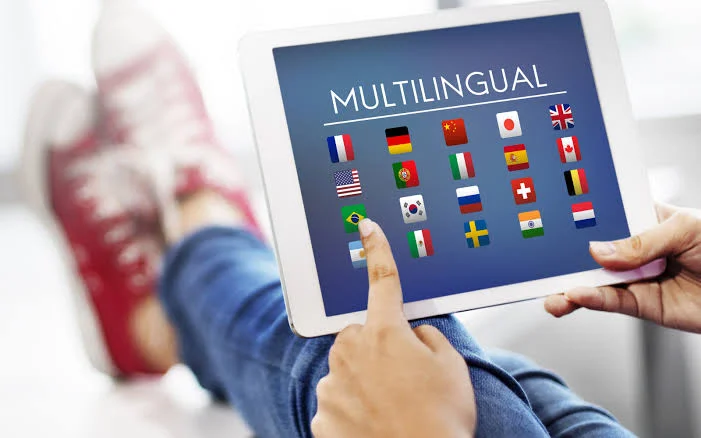
Global audiences speak different languages. A multilingual website opens doors to markets you can’t reach in English alone. But implementation matters—poorly executed translations confuse users and hurt search rankings. Done right, multilingual sites expand your reach significantly.
At Proton Tech Lab, we build websites for global audiences. Let’s explore how to set up multilingual sites that work for users and search engines.
Choose Your URL Structure
According to Google, you have three main options: country-code domains (example.fr), subdomains (fr.example.com), or subdirectories (example.com/fr/). Each has tradeoffs in SEO, management complexity, and user perception. Subdirectories are often simplest while still effective.
Implement Hreflang Tags
Hreflang tags tell search engines which language version to show different users. Without them, search engines guess—often incorrectly. Proper hreflang implementation ensures French users see French pages and German users see German pages in search results.
Every page needs hreflang tags pointing to all its language versions, including itself. Missing or incorrect tags cause duplicate content issues.
Translate, Don’t Machine-Convert
Machine translation has improved but still produces awkward, sometimes embarrassing results. Professional human translation costs more but respects your brand. At minimum, have native speakers review machine translations before publishing.
Localization goes beyond translation—adapting content for cultural context, local expressions, and regional preferences. True localization resonates; mere translation just communicates.
Design for Text Expansion
Different languages take different space. German often runs 30% longer than English. Asian languages may be more compact. Design interfaces that accommodate text variation without breaking layouts. Buttons that fit “Buy” may not fit “Kaufen.”
Handle Right-to-Left Languages
Arabic, Hebrew, and other RTL languages need mirrored layouts. Navigation flips sides, text alignment reverses, and reading flow changes entirely. If serving RTL audiences, plan for complete layout adaptation, not just text direction changes.
Make Language Switching Easy
Users should find language options immediately without hunting. Prominent language selectors using language names in their own scripts (Français, not French) help users identify their version. Don’t hide language options in footers or menus.
Link to the equivalent page, not the homepage. If someone is viewing a product page, language switching should take them to that product in another language.

Consider Content Parity
Will all content exist in all languages? Many sites maintain full parity; others translate only high-value pages. Missing translations should handle gracefully—showing default language with a notice, not broken pages or confusing redirects.
Localize Beyond Text
Dates, currencies, phone numbers, addresses, and measurement units vary by locale. Display these in locally expected formats. A date written 12/1/2024 means different things in America and Europe. Get formatting right.
Test with Native Speakers
Have native speakers test each language version. They catch awkward translations, cultural missteps, and usability problems that non-speakers miss. Testing reveals whether your international site actually works internationally.
Go Global Properly
Multilingual websites require thoughtful implementation across technical setup, content quality, and user experience. Invest in doing it right—international audiences deserve the same quality experience as your home market.
Need a multilingual website? At Proton Tech Lab, we build sites for global audiences. Contact us today to discuss your international reach. Let’s go global!